By Cris Canto | Chemist (MSc) | The Label Truth — Last Updated: July 2026
Saw palmetto prostate supplements are the most studied botanical category for BPH support. They appear in virtually every prostate support formula on the market — and for good reason, the research behind them is more substantial than most of what you find in the supplement world. But “more substantial than most” is not the same as “unambiguous,” and the clinical picture is more nuanced than the marketing suggests.
Here is what the research actually shows: the Cochrane Review (PMID 23235581) of 32 trials found that standard-dose saw palmetto (320mg/day) did not consistently outperform placebo. Higher doses — 640–960mg/day — showed more consistent benefit. Most products on the market are operating in the underdosed range. This is the most important thing to understand before evaluating any prostate supplement.
In this article I cover what saw palmetto is, what the research shows for the three most evidence-backed prostate ingredients (saw palmetto, pygeum africanum, and beta-sitosterol), how to read a supplement facts panel for prostate formulas, and what the critical safety notes are before starting.
| Quick summary ✅ Saw palmetto: real evidence — but dose-dependent; 640–960mg/day standardized extract shows most consistent benefit ✅ Pygeum africanum: moderate-strong evidence for nocturia and urinary flow (PMID 11869585) ✅ Beta-sitosterol: significant urinary symptom improvement in meta-analysis (PMID 10368239) ⚠️ Standardization matters: ‘saw palmetto berry’ ≠ ‘saw palmetto extract standardized to 85–95% fatty acids’ ⚠️ PSA monitoring: inform your physician about saw palmetto use — it may modestly reduce PSA levels |
What Saw Palmetto Prostate Supplements Actually Contain
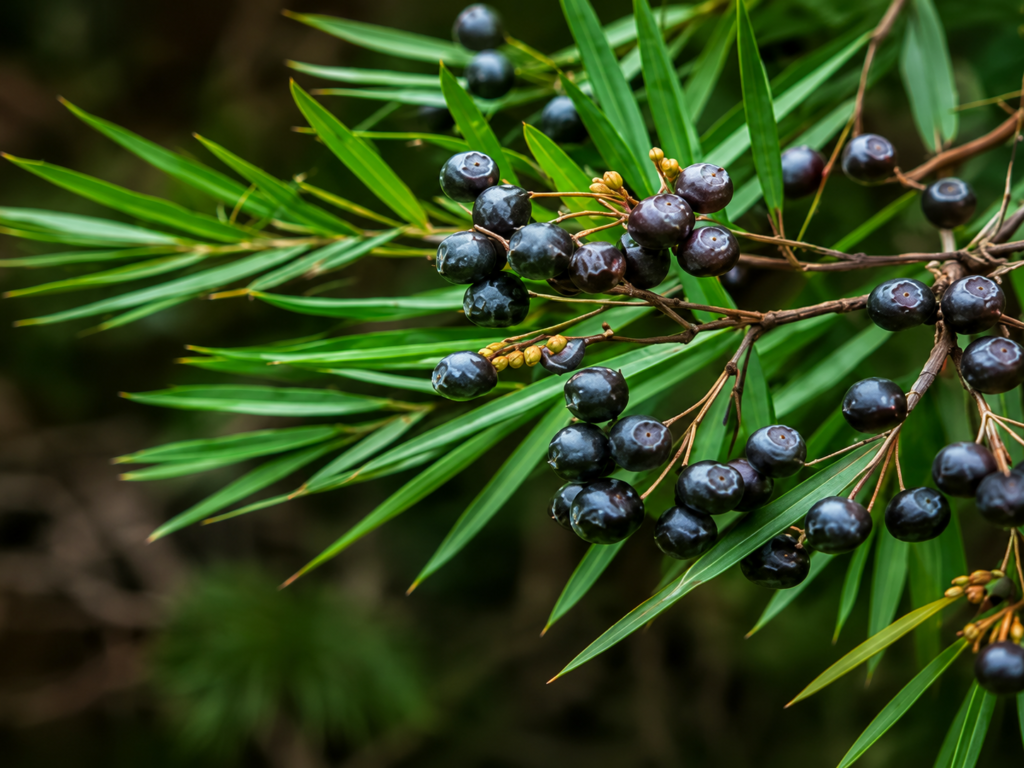
Saw palmetto (Serenoa repens) is a small palm native to the southeastern United States. The berries contain a complex mixture of fatty acids and phytosterols — the biologically active components responsible for its documented effects on prostate tissue.
The primary mechanism is inhibition of 5-alpha reductase — the enzyme that converts testosterone into dihydrotestosterone (DHT). DHT is the androgen most directly responsible for prostate cell proliferation in benign prostatic hyperplasia (BPH). By reducing 5-alpha reductase activity, saw palmetto reduces DHT production and the androgenic stimulus for prostate cell growth. This is also the mechanism of the pharmaceutical drug finasteride — though finasteride is significantly more potent.
Saw palmetto also has documented anti-inflammatory activity through inhibition of cyclooxygenase and lipoxygenase pathways — relevant because inflammation contributes to prostate enlargement and urinary symptoms independently of DHT.
Standardization is critical. The active components are concentrated in the lipophilic (fat-soluble) fraction of the berry extract. Saw palmetto berry powder and saw palmetto extract standardized to 85–95% fatty acids and sterols are not the same thing. The clinical research used standardized extract. I always verify the standardization on any supplement facts panel before evaluating a prostate product.
What the Cochrane Review Actually Concluded — The Most Important Reference
The most rigorous systematic analysis of saw palmetto for BPH is the 2012 Cochrane Review (PMID 23235581), which analyzed 32 randomized controlled trials involving over 5,000 men. The conclusion is worth reading carefully:
Standard-dose saw palmetto (320mg/day) did not produce greater improvement in urinary symptoms than placebo across the full dataset. However, higher-dose formulations (640–960mg/day) showed more consistent improvements in urinary flow rate, nocturia (nighttime urination), and overall symptom scores.
This finding has significant implications for label evaluation. A product providing 160mg of saw palmetto extract per serving with a once-daily recommendation is providing half the dose that showed inconsistent results — and far below the dose that showed consistent benefit. Many products on the market are in this underdosed range.
Effective dose based on research: 640–960mg/day of standardized saw palmetto extract (standardized to 85–95% fatty acids and sterols). 320mg/day is the minimum — with inconsistent results. The higher end shows more consistent benefit.
Pygeum Africanum — The Second Most Important Prostate Ingredient
A 2002 meta-analysis (PMID 11869585) of 18 randomized trials found significant improvements in urinary flow, nocturia, and overall urinary symptom scores compared to placebo — with more consistent findings, in fact, than the Cochrane review found for saw palmetto alone.
Pygeum’s mechanism is distinct from saw palmetto: it reduces prostate cell proliferation through phytosterol inhibition of growth factors, reduces inflammation via 5-lipoxygenase inhibition, and has a direct relaxant effect on smooth muscle in the bladder and prostate — reducing urinary urgency and frequency through a hormone-independent pathway.
The combination of saw palmetto and pygeum in the same formula makes pharmacological sense — they target different aspects of BPH pathology through different mechanisms, and the combination has shown superior results to either ingredient alone in some studies.
Effective dose: 100–200mg/day of pygeum bark extract standardized to 13% total sterols.
Beta-Sitosterol — The Most Overlooked Prostate Ingredient
A 1999 meta-analysis published in BJU International (PMID 10368239) analyzed four randomized controlled trials of beta-sitosterol for BPH and found significant improvements in urinary flow and symptom scores. The authors concluded that beta-sitosterol “significantly improves urological symptoms and flow measures” in BPH — a strong conclusion based on consistent evidence.
The mechanism involves modulation of prostaglandin metabolism in prostate tissue and reduction of cholesterol accumulation in prostate cells — both contributing to prostate cell proliferation.
Effective dose: 60–130mg/day. Products including beta-sitosterol as a minor component at doses below 30mg are unlikely to deliver meaningful benefit.
The Three Ingredients Compared
A formula containing all three at meaningful doses covers the prostate health mechanism more comprehensively than any single ingredient alone. This is the framework I apply when evaluating prostate supplements:
| Ingredient | Primary Mechanism | Evidence Grade | Effective Dose |
| Saw palmetto (standardized 85–95% FA) | 5-alpha reductase inhibition + anti-inflammatory | Moderate — dose-dependent | 640–960mg/day |
| Pygeum africanum (13% sterols) | Growth factor inhibition + smooth muscle relaxation | Moderate-strong | 100–200mg/day |
| Beta-sitosterol | Prostaglandin modulation | Moderate | 60–130mg/day |
What I Look for on a Prostate Supplement Label
- 1. Saw palmetto extract standardization: ‘Standardized to 85–95% fatty acids and sterols.’ Without standardization, you cannot know how much active compound you are getting. ‘Saw palmetto berry’ or ‘saw palmetto powder’ without a standardization percentage is insufficient.
- 2. Saw palmetto dose: At least 320mg, ideally 640mg+ of standardized extract per day. A product with 160mg per serving and once-daily dosing is in the underdosed range.
- 3. Pygeum dose and standardization: 100–200mg of pygeum bark extract standardized to 13% total sterols. Unstandardized pygeum varies widely in active sterol content.
- 4. Beta-sitosterol dose: At least 60mg per day. If beta-sitosterol is in a proprietary blend with saw palmetto and pygeum, and the total blend weight cannot accommodate all three at therapeutic doses, at least one is underdosed.
- 5. Proprietary blends: A prostate supplement grouping all three core ingredients in a single proprietary blend without individual dose disclosure is hiding critical dosing information. Total blend weight tells you nothing about whether any individual ingredient is at a therapeutic dose.
Who Saw Palmetto Is and Is Not For
Saw palmetto prostate supplements are appropriate for: Men over 40 with mild to moderate lower urinary tract symptoms; men with confirmed BPH who want to complement conventional treatment; men looking to support prostate health proactively.
Important limitations:
- Saw palmetto is not a treatment for prostate cancer — never delay evaluation of prostate symptoms attributable to cancer concern
- Men on finasteride or dutasteride should consult a physician before adding saw palmetto — additive 5-alpha reductase inhibition could affect DHT-dependent processes
- PSA monitoring: saw palmetto may modestly reduce PSA levels, which could mask early prostate cancer detection. Men getting PSA screening should inform their physician.
Saw palmetto is sold exclusively as a dietary supplement in the United States under DSHEA (1994) — it holds no FDA-approved drug status for benign prostatic hyperplasia and no FDA-authorized health claim. Label claims such as ‘supports prostate health’ are structure/function claims under 21 CFR 101.93 and cannot legally claim to treat, cure, or prevent BPH. Men with urinary symptoms consistent with BPH should consult a physician: BPH is a medical condition for which FDA-approved treatments exist, and dietary supplements are not a substitute for diagnosis or pharmaceutical treatment.
The Bottom Line
Saw palmetto prostate supplements have real science behind them — but dose and standardization determine whether a product can deliver what the research supports. The Cochrane Review showed that standard-dose (320mg/day) saw palmetto performs inconsistently; 640–960mg/day of standardized extract shows more consistent benefit.
Combined with pygeum africanum and beta-sitosterol at appropriate doses, saw palmetto is part of the most well-studied botanical approach to prostate symptom management available without a prescription. You can see how I apply this analysis in my ProtoFlow review.
Frequently asked questions
Does saw palmetto actually work for an enlarged prostate?
Yes — with important caveats. The Cochrane Review found that standard-dose saw palmetto prostate supplements (320mg/day) did not consistently outperform placebo, but higher doses (640–960mg/day) of standardized extract showed more consistent improvements. It is not a treatment for advanced BPH or prostate cancer — it is a botanical with evidence for symptom management in mild to moderate benign enlargement.
What is the correct dose of saw palmetto?
Based on clinical research: 320–960mg/day of extract standardized to 85–95% fatty acids and sterols. The higher end — 640–960mg — shows more consistent benefit. Products providing 160mg or less per day are below the minimum dose that showed meaningful results even in favorable studies.
How long does saw palmetto take to work for prostate symptoms?
Clinical studies measuring prostate symptom outcomes typically run for 3–6 months. Most men who respond notice improvements in urinary frequency and stream strength at 4–8 weeks, with fuller benefit at 3 months. Saw palmetto works through gradual modulation of enzyme activity and anti-inflammatory pathways — it is not fast-acting. Studies showing the strongest results used consistent supplementation for at least 12 weeks.
What is the difference between saw palmetto berry powder and saw palmetto extract?
Saw palmetto berry powder is ground dried berries — raw plant material with variable and generally low concentrations of the active lipophilic fraction. Saw palmetto extract is a concentrated preparation of the biologically active components, standardized to a specific percentage of fatty acids and sterols (typically 85–95%). All clinical research used standardized extract, not raw powder. A product with 160mg of berry powder cannot be compared to research conducted with 320mg of standardized extract.
Is saw palmetto better than finasteride?
No. Finasteride is a significantly more potent and selective 5-alpha reductase inhibitor with decades of pharmaceutical-grade safety data and regulatory approval. For men with moderate to severe BPH symptoms, finasteride or alpha-blockers remain standard of care. Saw palmetto is an option for mild to moderate symptom management, not a replacement for prescription treatment.
Can saw palmetto and pygeum be taken together?
Yes — the combination makes pharmacological sense. They target different aspects of BPH through different mechanisms. Saw palmetto primarily inhibits 5-alpha reductase. Pygeum reduces prostate cell proliferation through growth factor inhibition and directly relaxes smooth muscle in the bladder and prostate. The combination has shown superior results to either ingredient alone in some studies.
References
| PMID | Reference |
| 23235581 | Tacklind J et al. (2012). Serenoa repens for benign prostatic hyperplasia — Cochrane Review of 32 RCTs. PubMed → |
| 11869585 | Wilt T et al. (2002). Pygeum africanum for benign prostatic hyperplasia — meta-analysis of 18 RCTs. PubMed → |
| 10368239 | Wilt TJ et al. (1999). Beta-sitosterol for the treatment of benign prostatic hyperplasia — meta-analysis. PubMed → |
| FDA 21 CFR 101.93 | FDA — 21 CFR 101.93 — Certain types of statements for dietary supplements (structure/function claims) |
Analysis by Cris Canto, MSc Chemistry | 25 years of experience in Research & Development and Marketing in multinational consumer goods and chemical industries | All analyses are independent and based on publicly available label data and verified reviews.